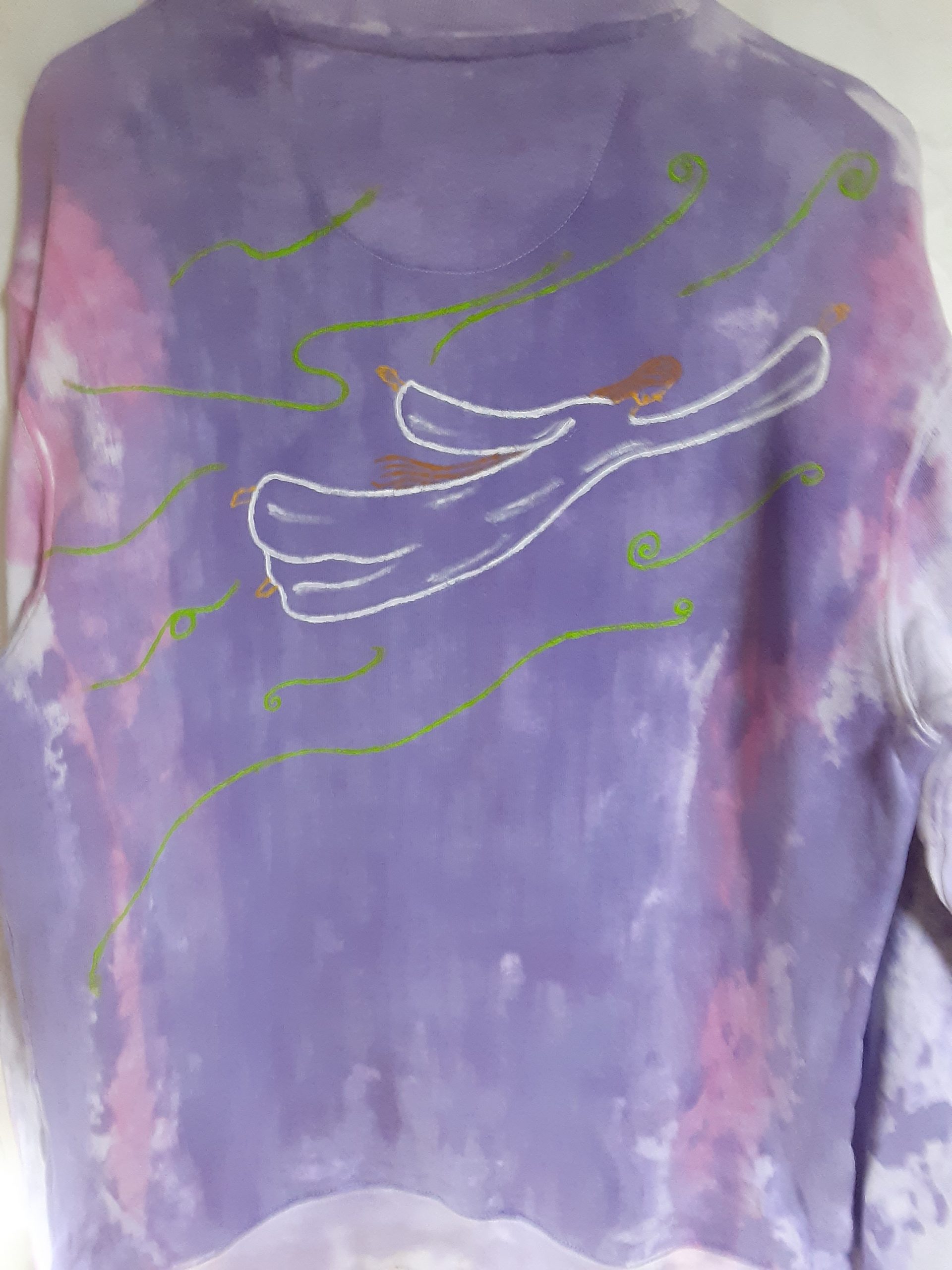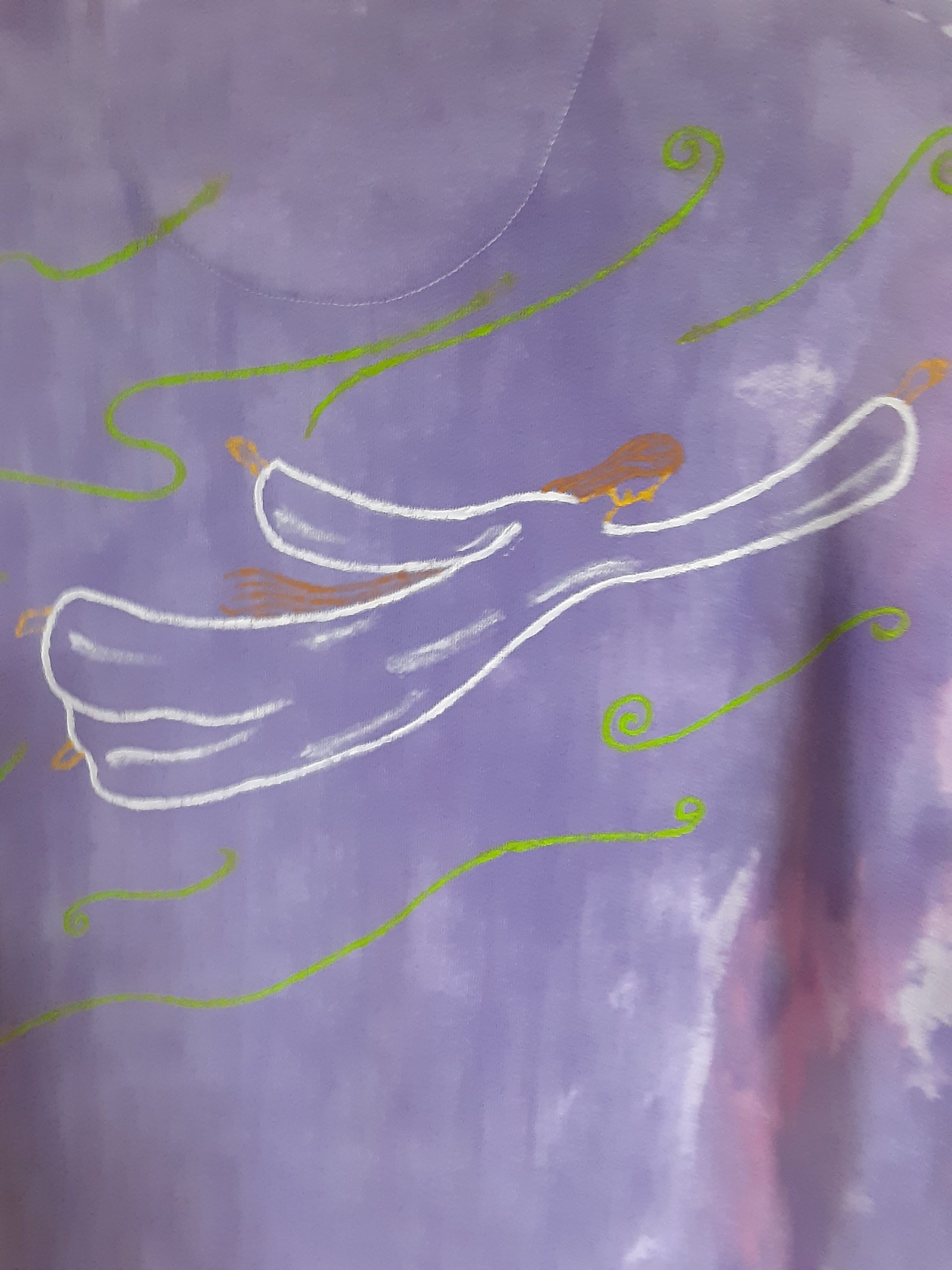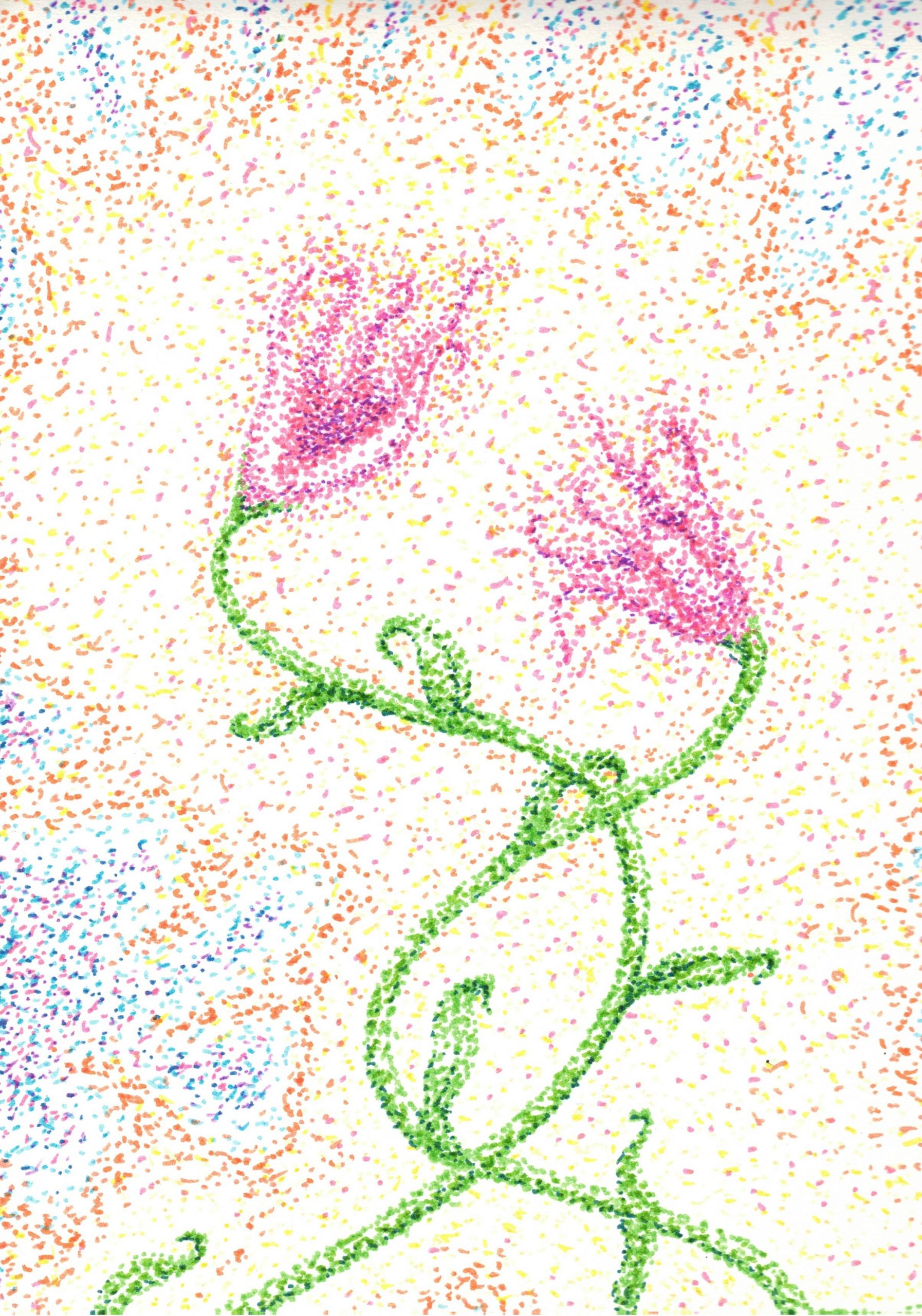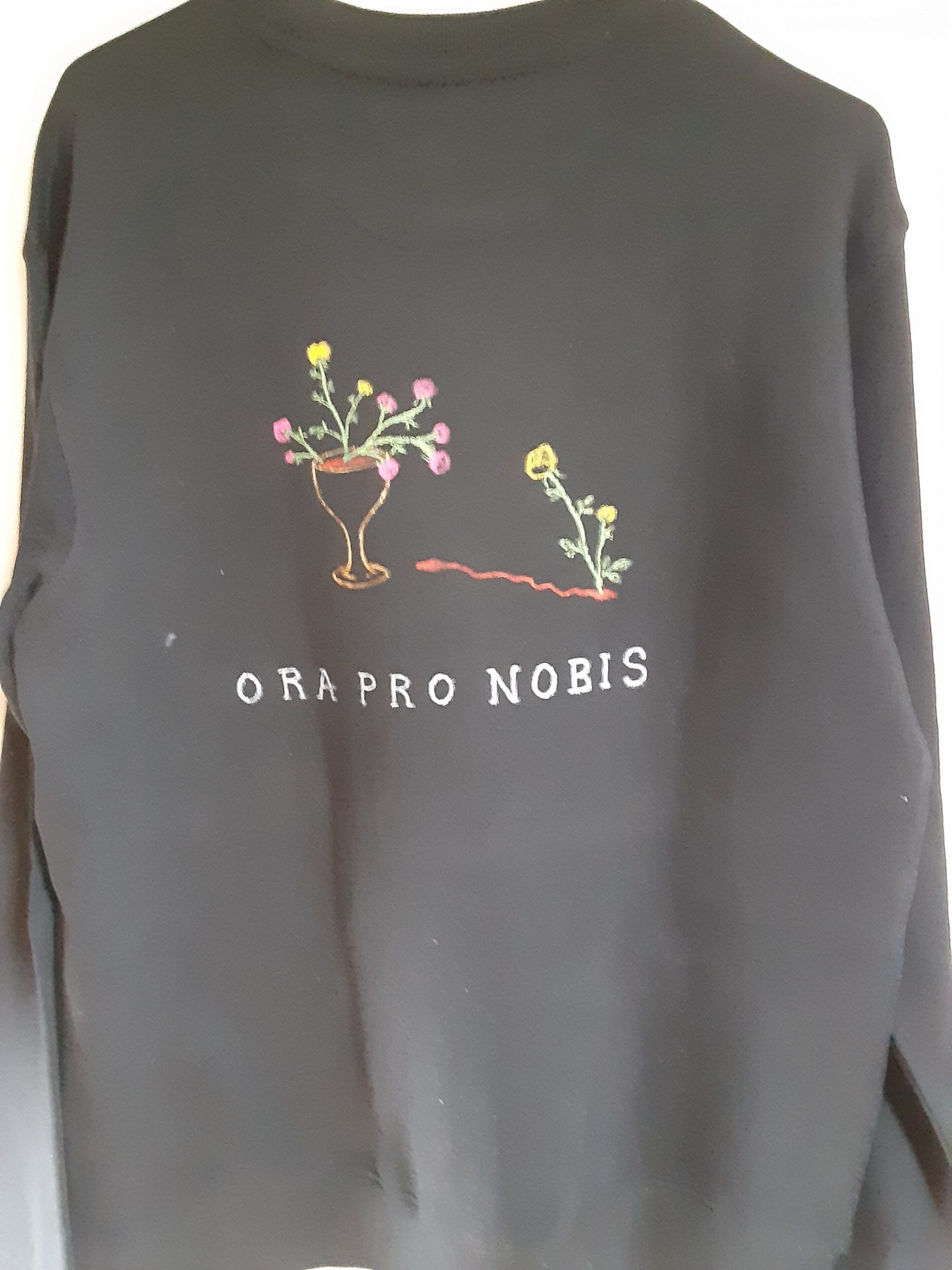
“Tongues of Fire”, Stage 2 / ステージ2

“Tongues of Fire”, Stage 2 / ステージ2

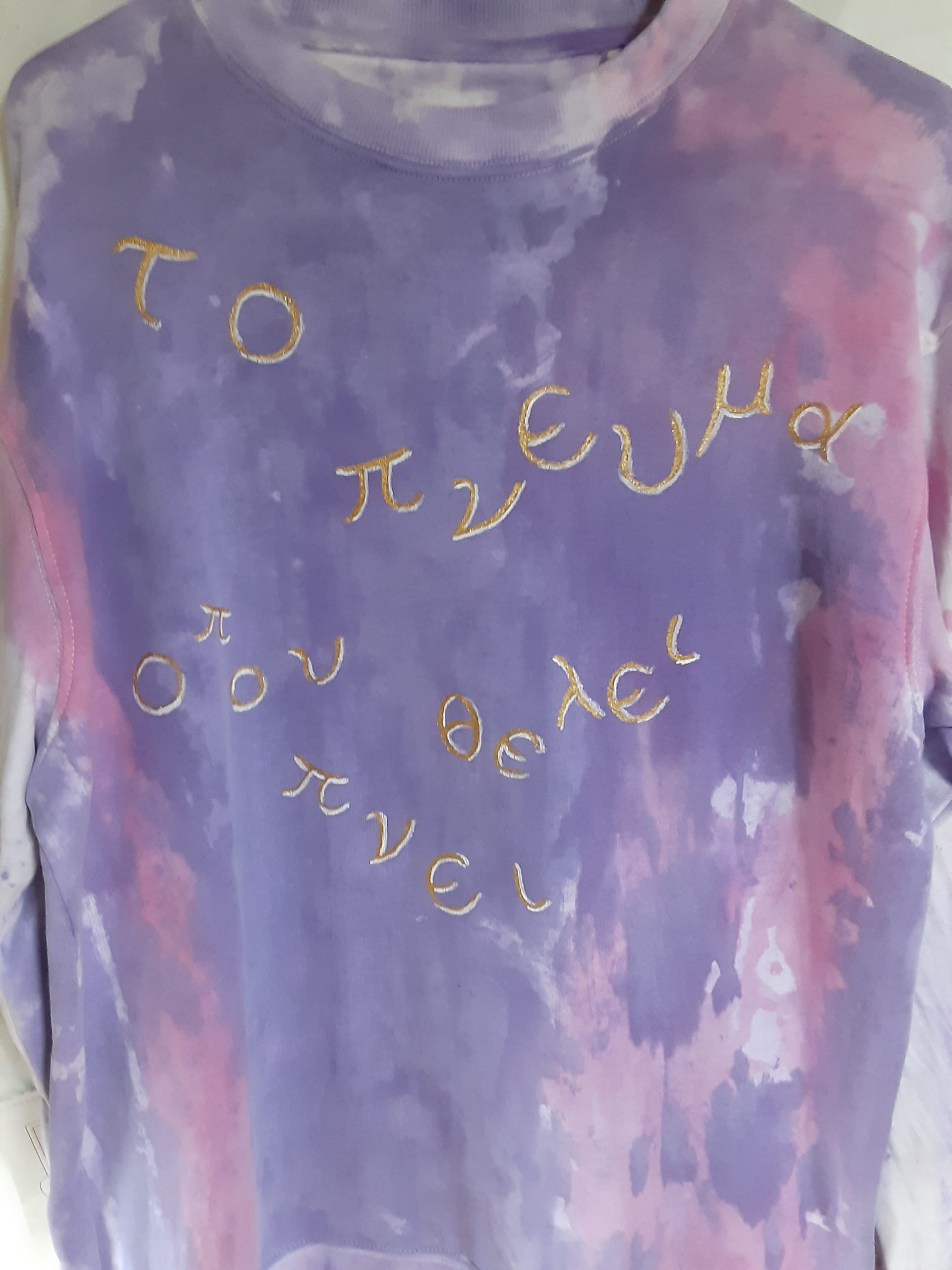
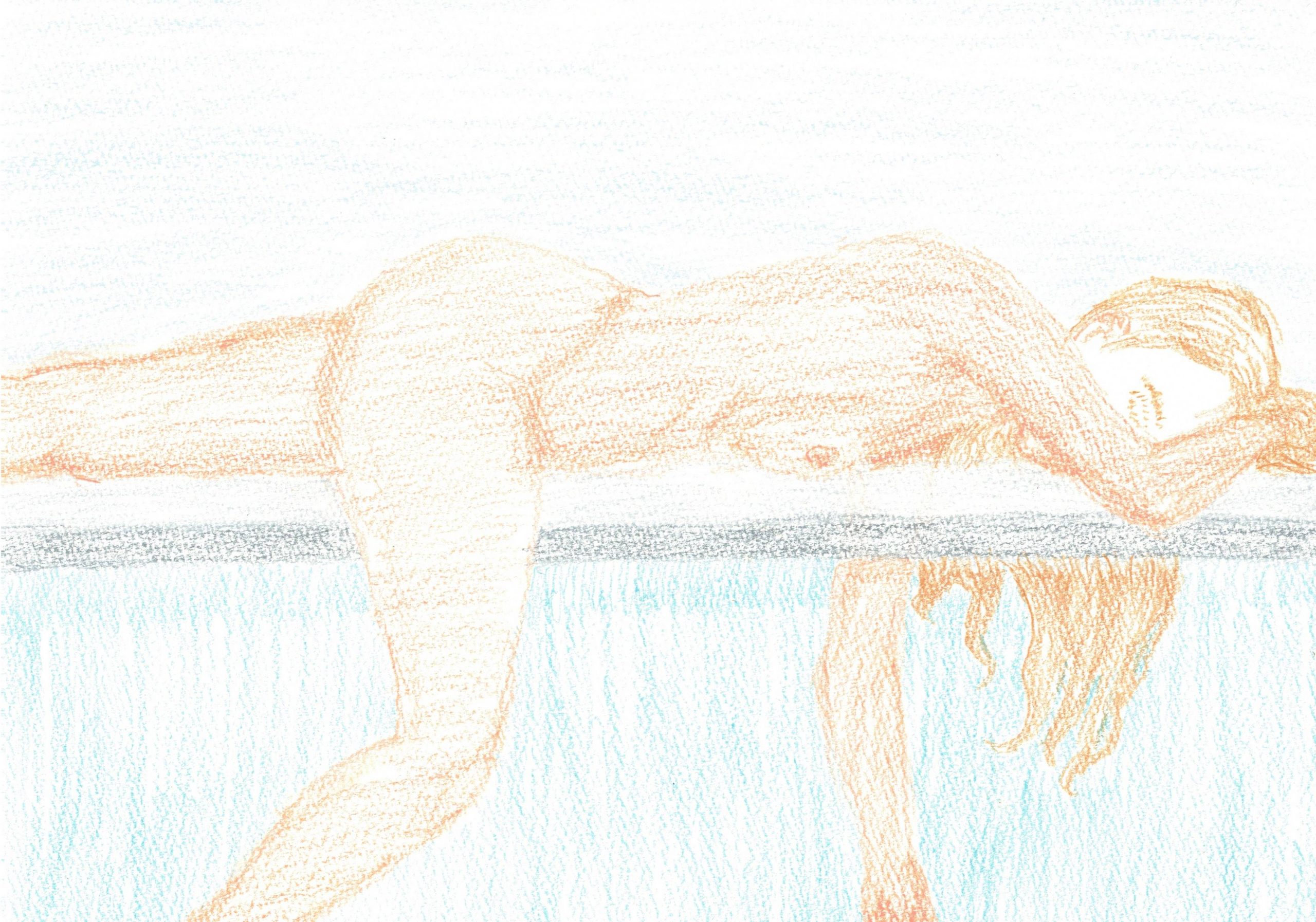
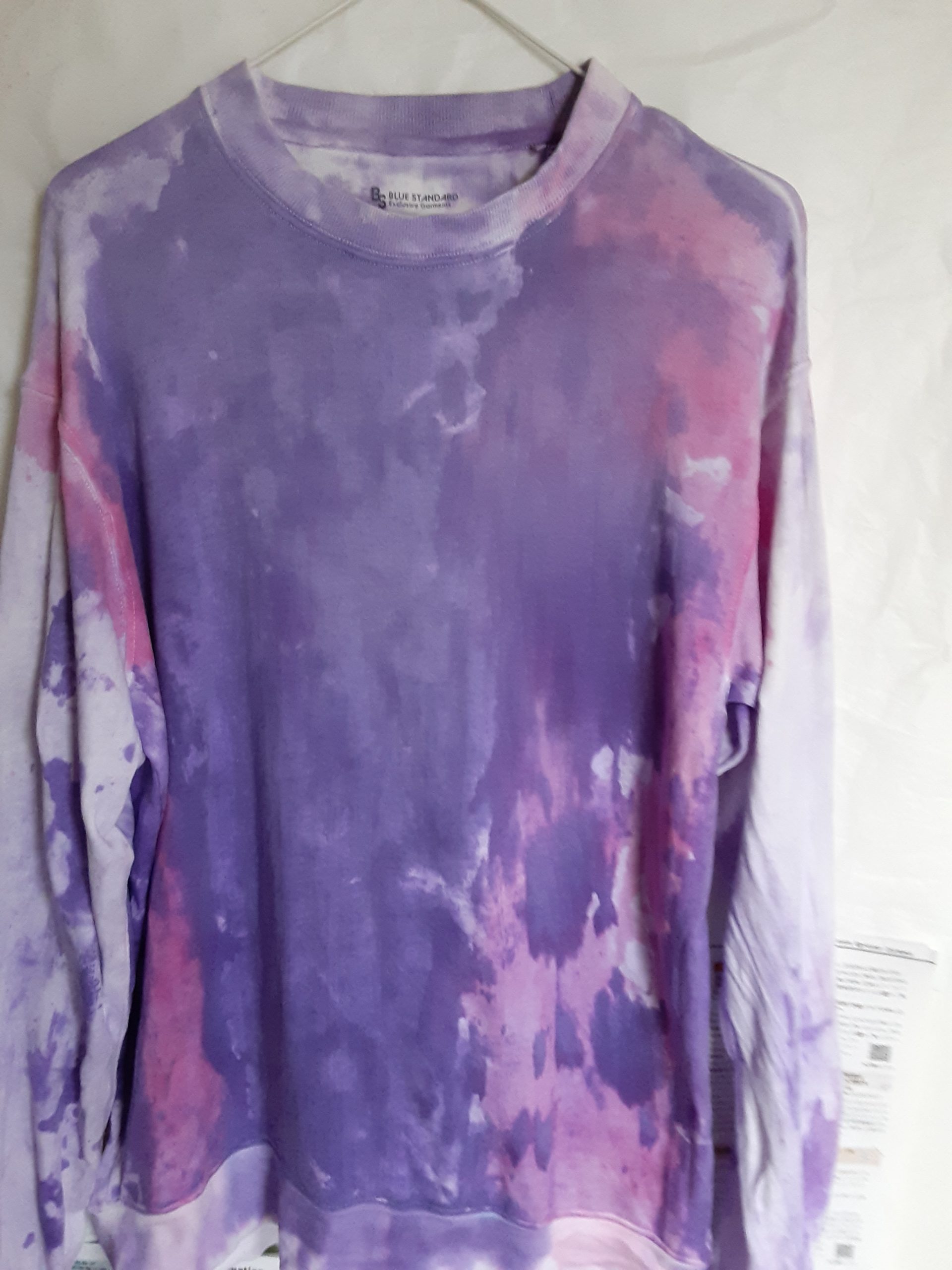
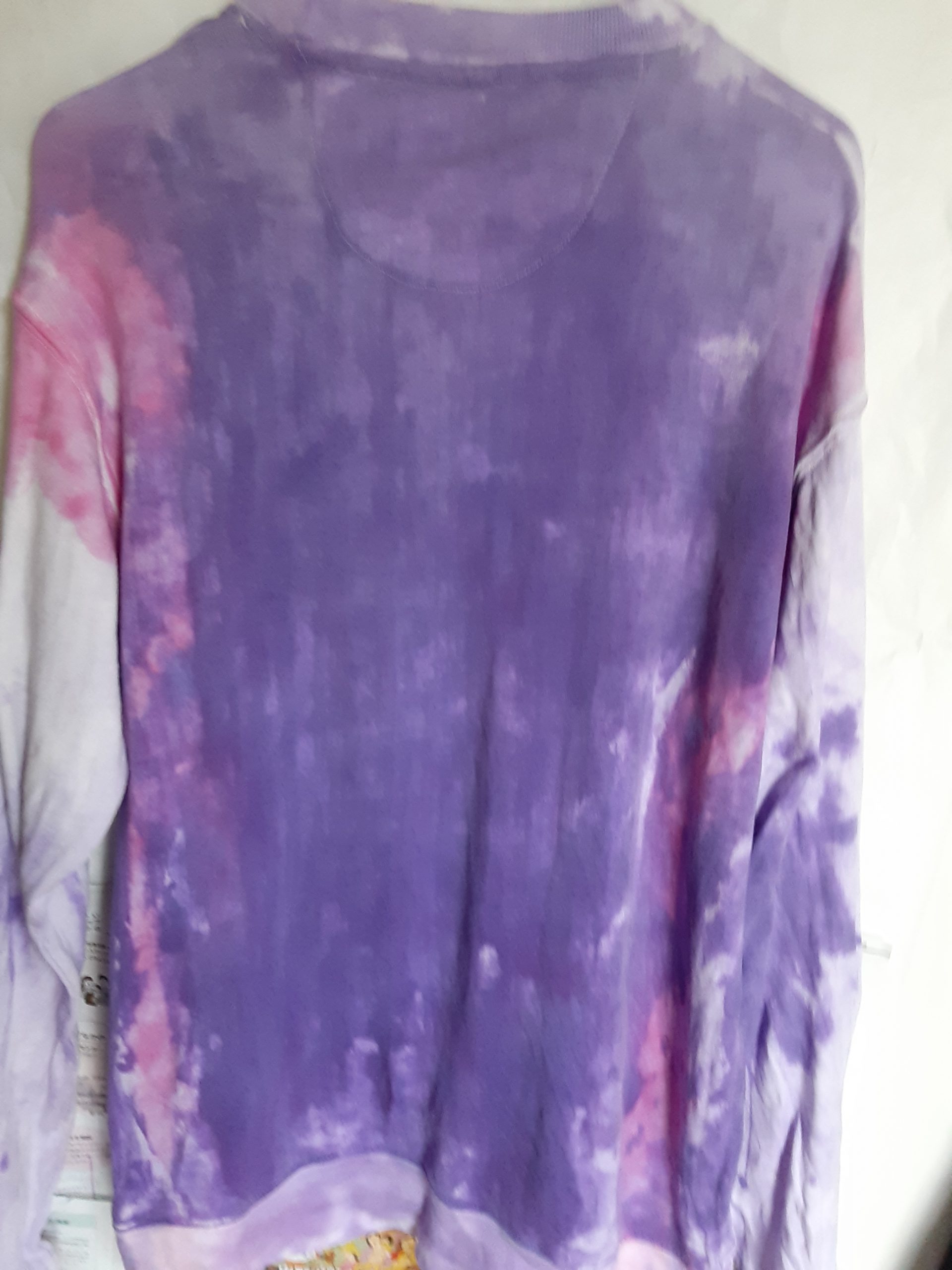
Stage 2 of my “intentionally childish” rendition of Acts 2: 1 – 4.
(To find out why I am intentionally making it “childish”, see the
post dated June 15 below.)

The work goes on —

“Tongues of Fire”, Stage 2
(Acts 2: 1 – 4)
Wax pastel (crayon) on paper

「意図的に子供のような絵にしたい」、私流の使徒言行録2: 1-4の
絵画化、ステージ2です。
(なぜ意図的に子供ぽくしているのかは、下の6月15日の投稿をご覧くださいな)

制作は、まだ続きます。

“Tongues of Fire”(舌のような炎)、ステージ2
(使徒言行録 2:1-4)
紙にワックスパステル(クレヨン)

Posted in Uncategorized | Comments Off on “Tongues of Fire”, Stage 2 / ステージ2

One more exercise in pointillism / 点描の練習、もう1つ

“Imaginary Flowers II”, Stage 1 / (架空の花 II)、ステージ1

I think I need another exercise in pointillism, so I’ve just begun this —
more of imaginary flowers.

“Imaginary Flowers II”, another exercise of felt-tip marker pointillism
Stage 1 (just begun)
Marker on paper

点描の練習をもう1回やった方がよいなあと思うので、これを描き始めた
ところです。やはり、架空の花。

“Imaginary Flowers II” (架空の花)、ステージ1
マーカー点描の練習をさらにやっています
紙にマーカー

Posted in Uncategorized | Comments Off on One more exercise in pointillism / 点描の練習、もう1つ

“Tongues of Fire”, Stage 1 / ステージ1

“Tongues of Fire”, Stage 1 / ステージ1
Acts 2: 1 – 4 / 使徒言行録 2: 1 – 4

This is my depiction of the “baptism of fire” described in Acts 2: 1 – 4.
It’s only just begun, and the work goes on.

* I intend this painting to be “child-like”, i.e., a kind you expect
from an elementary kid. Why?
I have in reality experienced phenomena like the portion of Acts
in question, and I know that if I “realistically” depicted them,
you’d simply think the people in the painting are going crazy!
(I Corinthians 14: 23)
A “childish” depiction, on the contrary, can present the essence —
the Spirit — on the front, I think.

“Tongues of Fire”, Stage 1 (just begun)
Wax pastel (crayon) on paper

使徒言行録 2:1-4にある「火のバプテスマ」を私流に描いたものです。
描き始めで、まだ制作は続きます。

* この作品は意図的に「子供ぽく」描きますね。小学生の絵みたいに。なぜ?
この使徒言行録の記述のような現場を私は現実に体験していて、そうした
現場を「写実的に」描いてしまうと、描かれた人たちが「おかしく」なっている
としか思えないということが、分かっているのですね。
(第一コリント 14: 23)
そうではなく「子供ぽく」描けば、ことの本質である「聖霊の働き」を
前面に出しやすいと思うわけです。

“Tongues of Fire”(舌のような炎)、ステージ1(描き始め)
紙にワックスパステル(クレヨン)

Posted in Uncategorized | Comments Off on “Tongues of Fire”, Stage 1 / ステージ1

“Me mou haptou”, done / 完成

“Me mou haptou”, done / 完成

So, this wax pastel painting, based on the original Greek text of Gospel of John 20: 17,
is done.

“Me mou haptou”, Gosp. John 20: 17, done
Wax pastel on paper
240 x 333mm (6.1″ x 8.5″)
Price: To be negotiated

ヨハネ福音書20:17のギリシャ語原文から着想を得た本作、完成です。

“Me mou haptou”(私にしがみつくのは、やめようよ)、ヨハネ福音書 20: 17、完成
紙にワックスパステル(クレヨン)
240 x 333mm
値段: 交渉で決めましょう

Posted in Uncategorized | Comments Off on “Me mou haptou”, done / 完成

“Behind the Masked Smile”, done / (マスク下の微笑の裏に)、完成

“Behind the Masked Smile”, done / 完成

So, this is done.
It’s a depiction of some smiles I encounter right here in Tokyo —
a lovely diplomatic smile with a nice greeting, which hides
anxiety in the currently pandemic.

“Behind the Masked Smile”, done
Oil pastel on paper
328 x 380mm (8.3″ x 15″)
Price: To be negotiated

完成です。
ここ東京で、現在のパンデミックの中で出くわすことのある
微笑を描いたものです。愛らしい社交的微笑なのですが、
不安を押し隠した微笑。

“Behind the Masked Smile”(マスク下の微笑の裏に)、完成
紙にオイルパステル(クレパス)
328 x 380mm
価格: 交渉で決めましょう!

Posted in Uncategorized | Comments Off on “Behind the Masked Smile”, done / (マスク下の微笑の裏に)、完成

Back to “Behind the Masked Smile” / (マスク下の微笑の裏に)に戻って …

“Behind the Masked Smile”, soon to be finished / もうすぐ完成

So, the masked smile is still in progress — and will be finished soon.

Japan is catching up in the anti-COVID19 vaccination, yet
is it really going to hold the Olympics while the preventive shots
have only just begun??

I sure hope to see such “anxieties behind a masked smile” disappear
soon!

“Behind the Masked Smile”, soon to be finished
Oil pastel on paper

この「マスク下の微笑」、まだ制作進行中です。

日本ではコロナ ワクチン接種は始まったばかりですが、それでも
本気でオリンピックを開催するのでしょうかねえ??

とにかく、「マスク下の微笑の裏に潜む不安」が、早く消えてくれる
ことを願っております!

“Behind the Masked Smile”(マスク下の微笑の裏に)、近いうちに完成
紙にオイルパステル

Posted in Uncategorized | Comments Off on Back to “Behind the Masked Smile” / (マスク下の微笑の裏に)に戻って …

Me mou haptou, Stage 4 /(私にしがみつくのは、やめようよ)、ステージ4

Me mou haptou, Stage 4, photographed with low exposure / ステージ4,露出を下げて撮影

One problem with photographing a hand-painted painting is
the camera’s exposure and the lighting significantly affect the
resulting photography.
I’m NOT a photographer, so I often encounter this problem!

So, for your reference, here I show you a photo taken with
lower exposure (darker) of Stage 4 of the work.

Well, looks like higher exposure works better with wax pastel paintings!

“Me mou haptou” (John 20: 17, “Stop clinging on to me”)
Stage 4, photographed with low exposure
Wax pastel (crayon) on paper
Still in progress — probably, the next post of this painting
will show you how the “done” work looks.

手で描いた絵画を写真撮影する場合の問題の1つが、カメラの露出と
照明の状態によって、できる写真がかなり違ってくるということですね。
私は写真家ではないので、この問題をよく体験します。

そこで、今回は皆様にその辺の感触をご覧いただくため、
カメラの露出を下げて(暗くして)、ステージ4を紹介しますね。

どうも、ワックスパステルの絵画では露出を高めにした方が良いようですね。

“Me mou haptou” (ヨハネ福音書 20: 17、”私にしがみつくのは、やめようよ”)
ステージ4、露出を下げて撮影
紙にワックスパステル(クレヨン)
まだ政策は進行中 ・・ おそらく、この作品を次にお見せするときには、
完成しているかな、と思います。

Posted in Uncategorized | Comments Off on Me mou haptou, Stage 4 /(私にしがみつくのは、やめようよ)、ステージ4

“Behind the Masked Smile”, Stage 3 / (マスク下の微笑の裏に)、ステージ3

“Behind the Masked Smile”, Stage 3 / (マスク下の微笑の裏に)、ステージ3

Back to “Behind the Masked Smile” — here is Stage 3.
The work still goes on.

Of course, I hope the day will come soon when smiles of
people over here in Tokyo become “genuine” — no fear
hidden behind.

“Behind the Masked Smile”, Stage 3
Oil pastel on paper

“Behind the Masked Smile”(マスク下の微笑の裏に)に
戻って、これがステージ3。
まだ、制作は続きます。

もちろん私としては、ここ東京でも皆さんの微笑が
「本物」になる日が早く来ることを、願っております!
裏にどんな不安もない微笑を見れる日を。

“Behind the Masked Smile”(マスク下の微笑の裏に)、ステージ3
紙にオイルパステル

Posted in Uncategorized | Comments Off on “Behind the Masked Smile”, Stage 3 / (マスク下の微笑の裏に)、ステージ3

Me mou haptou, Stage 2 / (私にしがみつくのは、やめなさいね)、ステージ2

“Me mou haptou” (John 20: 17), Stage 2 / (私にしがみつくのは、やめようよ)ヨハネ20:17、ステージ2

“Me mou haptou” (Stop clinging on to me, John 20: 17), Stage 2
Wax pastel (crayon) on paper
“Me mou haptou” (私にしがみつくのは、やめようよ、ヨハネ20: 17)、ステージ2
紙にワックスパステル(クレヨン)

(日本語は、英語の下に)

So, what does this “Stop clinging on to me” have to do with “, for I have yet to ascend
to my Father”, in the inspiration to this painting, John 20: 17 ???

Enigmatic — honestly, I’ve never seen any commentary that explains this connection between the two phrases in a way clear and convincing.

So, let’s see it from a very plain and simple perspective: what is the possible
relationship between “someone holding on to you” and “you ascending” ??
Obviously, you cannot ascend while that someone is clinging on to you!!

But then,
+ why was Mary clinging on to Jesus, first of all??
— Just imagine you witnessed the execution of someone you loved, who
without doubt died. Then, on the third day, that someone has appeared to you
and spoken to you, just as he/she predicted. What would be your response??
Without the prediction, you would probably consider you are seeing thing.
Yet with the prediction in advance, and if what you are seeing is so real and
clear, you could be overjoyed and hold on to the “risen one”.

+ if it was “ascension hindering” for Mary to cling on to Jesus,
why didn’t he just stay away from her or say “Noli me tangere” instead??
— That would have been so stern, stark, and cold-blooded!
Jesus knew how troubled Mary was after the Crucifixion, so naturally
He wanted to revive her life and faith. Thus He spoke to and appeared to her
after the Resurrection. Shocked and overjoyed, Mary held on to Him.
If you were in His boots, in a case like this, would you just utter
cold-blooded “Don’t touch me!” ??
Also, keep in mind that our Savior has some good sense of humor as well.
Most of the existing exegeses ignore the thing called “humor” — which is
also missing in much of Christian theologies.

So, if I am allowed to provide an amplified version of the two phrases in question
here:
“Ha, ha, hey, Mary, stop clinging on to me! I cannot ascend to my Father while
you clinging on to me!” — humorous, isn’t it?

I take John 20: 17 seeing good, loving and caring humor in Jesus, and
this painting stands on that “take”.

じゃ、ここでの「私にしがみつくのは、やめようよ」と「私はまだ、父のもとに
昇っていないんだからね」と、何の関係があるのでしょうか?そこが、
この絵画のそもそものインスピレーションなのですが。

実に謎ですよね。なにせ、この結びつきを明確に、納得できるよう解説
している釈義を、私は見たことがありません。

そこで、きわめて単純明快な視点でこの問題を見てみましょう。
「しがみつくの、やめてよ」と「昇天」との間に、そもそもどんな関係が
あり得るのか??
いうまでもなく、誰かがあなたにしがみついていたら、昇天するわけに
いきませんよね!?

でもそうすると:
+ そもそも、マリアがイエスにしがみついていたのは、なぜか?
— 想像してみてください。あなたが愛する誰かが処刑される現場を目の
当たりにし、その愛する人が確かに死んだとしたら? それから3日目、
その愛する人が予めおっしゃっていた通り、あなたに語り掛け、
姿を現し、しかもそれが あまりにも現実的で明白であったとしたら?
あなたなら、どんな反応をしますか?
予めの言葉がなければ、幻を見ているのだと考えるかも。
でもあらかじめ、その人は自分が復活すると仰っていました。
そして今ここに、明白におられるとしたら?歓喜のあまり、
復活した方に抱き着いても、不思議ではないですよね。

+ マリアがイエスにしがみついては「昇天の妨害」になるのなら、
マリアから距離を置くか、単純に “Noli me tangere” (我に触るな)と
いえば済むことじゃ?
— そうした対応は、まじめに過ぎ無感情で冷酷なものです。
十字架処刑の後でマリアがどれだけ心を乱していたか、イエスはご存じ
だったはずです。当然イエスは、マリアの信仰と生き方とをリヴァイヴ
させようと されたはずですね。
ですから、復活後にイエスはマリアに話しかけ、姿を現されました。
驚きと歓喜のあまり、マリアがイエスにしがみついたのも、無理は
ありません。
あなたがイエスだったとしたら。こういう場合、冷たく「我に触るな」と
言い放ちますか??
それと、そもそも私たちの救い主にはユーモアのセンスもあることを、
忘れないようにしましょうよ。既存の釈義ではこの「ユーモア」という
視点が欠落していますし、キリスト教神学の多くでもユーモアは無視されて
ますよね。

そんなわけで、もし私がここで「かなりパラフレーズした」この2フレーズの
日本語翻訳を提示してよいなら、私ならこうします:
「ははは、マリア、そんなにしがみつくのは、やめてよ!しがみついてたら、
父のところに昇っていけないじゃないか」 ・・・ ユーモアですね。

私はヨハネ20:17を上述のように理解しており、この絵画もその理解に
基づいております。

Posted in Uncategorized | Comments Off on Me mou haptou, Stage 2 / (私にしがみつくのは、やめなさいね)、ステージ2

Parallelly, I’m working on — / 並行して、こちらも …

”Behind the Masked Smile” is still in progress, yet I am working on this other painting parallelly.
”Behind the Masked Smile” も制作進行中ですが、並行してこちらも進めております。

“Me mou haptou” (Stop clinging on to me), Stage 1 / 私にしがみつくのは、やめなさいよ、ステージ1

This is inspired by a famous phrase in the Gospel of John, 20: 17, “Me mou haptou”.
This phrase has traditionally been translated “Noli me tangere”, or “Don’t touch me”.
Yet the original Greek obviously says something like “Stop clinging on to me”, rather than
“No touching”.
Yet what does this “Stop clinging on to me” have to do with “, for I have yet to ascend to my Father”??? I’ll explain in a future post!

“Me mou haptou” (Stop clinging on to me), Stage 1
Wax pastel (crayon) on paper

この着想は、ヨハネ福音書 20:17 の有名な言葉  “Me mou haptou” から得ました。
伝統的にはこのフレーズは “Noli me tangere” (我に触るな)と翻訳されてきましたが、
元のギリシャ語は明らかに「私にしがみつくのは、やめなさいよ」です。「触るな」では、ないのですね。
でも、このフレーズとすぐ後の「私はまだ、父のもとへと昇っていないのだから」と、どう結びつくのでしょうか?それを、また将来の投稿で説明しますね。

“Me mou haptou” (私にしがみつくのは、やめなさいよ)、ステージ1
紙にワックスパステル(クレヨン)

Posted in Uncategorized | Comments Off on Parallelly, I’m working on — / 並行して、こちらも …